

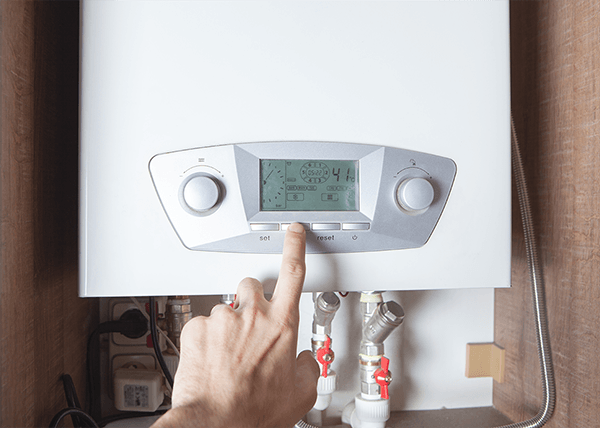
Do you smell gas, burning, or sewage near your boiler? That can be quite a shock, but it is important to stay calm and determine what is happening. In this blog, you will read which odors are harmless and which ones signify immediate danger. You will also discover what you can do yourself if your boiler smells and when you must
Which odor do you smell?
To solve the problem, it is necessary to first determine exactly what kind of air you are smelling:
- Gas smell: This is extremely dangerous; always take immediate action.
- Sewage smell: This usually points to a problem with the drain or a dry siphon.
- Burning smell: This is often caused by accumulated dust or defective parts.
- Musty smell or “wet dog”: This usually indicates moisture or small leaks inside the boiler.
Boiler smells like gas: What should you do immediately?
Do you smell a strong odor of gas? Evacuate the building immediately, ensure everyone else gets out safely, and call emergency services once outside. In this case, skip the steps below.
If you detect a gas leak, follow these steps immediately on your way out:
- Ventilate immediately: Open any windows and doors you encounter on your way to the exit.
- Shut off the supply: Close the main gas valve in the meter cupboard, but only if it is located on your route outside.
- Prevent sparks: Do not touch any electrical switches (do not turn lights on or off!), do not use a phone while indoors, and absolutely do not use any open flames.
- Evacuate the premises: Leave the building with everyone present. Only call the emergency services once you are safely outside (e.g., 112 or the National Gas and Electricity Emergency Number via 0800-9009).
Sewage smell from the boiler?
A sewage smell near the boiler is very unpleasant, but fortunately, it is often easy to fix. This is usually caused by a dry siphon, the plastic container under the boiler. This often happens after a warm summer when the boiler has hardly run. The water that normally serves as a ‘seal’ against sewage odors has simply evaporated.
You can easily fix this yourself by refilling the siphon with a cup of water. While doing this, check immediately if the condensate drain is still properly seated in the sewer pipe and clean the siphon cup if you see any dirt or sludge. If the smell persists afterward, it is wise to check for any blockages deeper in the drain pipe.
Burning smell or the scent of burnt plastic
When you smell a clear burning odor, you must immediately pull the plug from the socket to cut the power. Carefully check if smoke is coming out of the device and remove any dust around the burner and the ventilation. In this case, always have a technician check the wiring and internal components to rule out a short circuit. Do not turn the boiler back on until you have received approval from an expert.
The smell of “wet dog” or musty moisture
A musty smell in the attic can indicate moisture problems or mold growth near the air intake. It is wise to check for small water leaks inside the boiler or if condensation is dripping onto hot parts. Because this can also indicate a leak in the heat exchanger, it is important to have this inspected by a technician.
Note: You cannot smell Carbon Monoxide (CO)
Although a smelly boiler is annoying, the most dangerous gas is completely odorless and invisible. You cannot smell Carbon Monoxide (CO), but it is lethal. Therefore, always place a CO detector near the boiler for your own safety. Should you develop symptoms such as a headache or nausea, switch off the boiler immediately.
When should you call a technician?
Do you smell gas? Do not take any risks: follow the safety protocol, leave the home or business premises, and call the emergency number immediately once outside.
For technical defects that do not require immediate emergency services, you can rely on the expertise of HR Installatietechniek. Consider this for:
- A strange smell accompanied by error codes on the display.
- A sewage smell that lingers after you have refilled the siphon.
- A suspicious burning smell or previous smoke development.
- Moisture problems or a musty smell that could indicate a leak in the heat exchanger.
Regular maintenance prevents most of these problems and ensures that your installation continues to function safely and optimally.
Frequently asked questions about boiler odors
No, not necessarily. A dry siphon spreading a sewage smell or some dust burning after sitting idle for a long time is usually harmless. However, a gas smell is always a reason for alarm.
You can usually carefully unscrew the plastic cup under the boiler. Clean the cup, fill it with a layer of water, and then screw it back tightly onto the boiler.
Yes, this is normal while the boiler is burning. These are flue gases going outside through the exhaust pipe. Sometimes the wind direction can blow this smell back inside.
Conclusion
It is essential to first identify the type of air when noticing a strange smell to determine what action is required. While you can often easily fix a sewage smell yourself by refilling the siphon, you must take no risks with a gas smell: leave your home or business premises immediately and contact emergency services. Additionally, always stay alert to the invisible danger of carbon monoxide by installing approved CO detectors.
Does the smell persist, do you see error codes on the display, or do you smell a clear burning odor? Always call an expert and do not turn the installation back on yourself. For a safe and optimally functioning boiler, HR Installatietechniek is ready to perform a thorough inspection or maintenance service.