

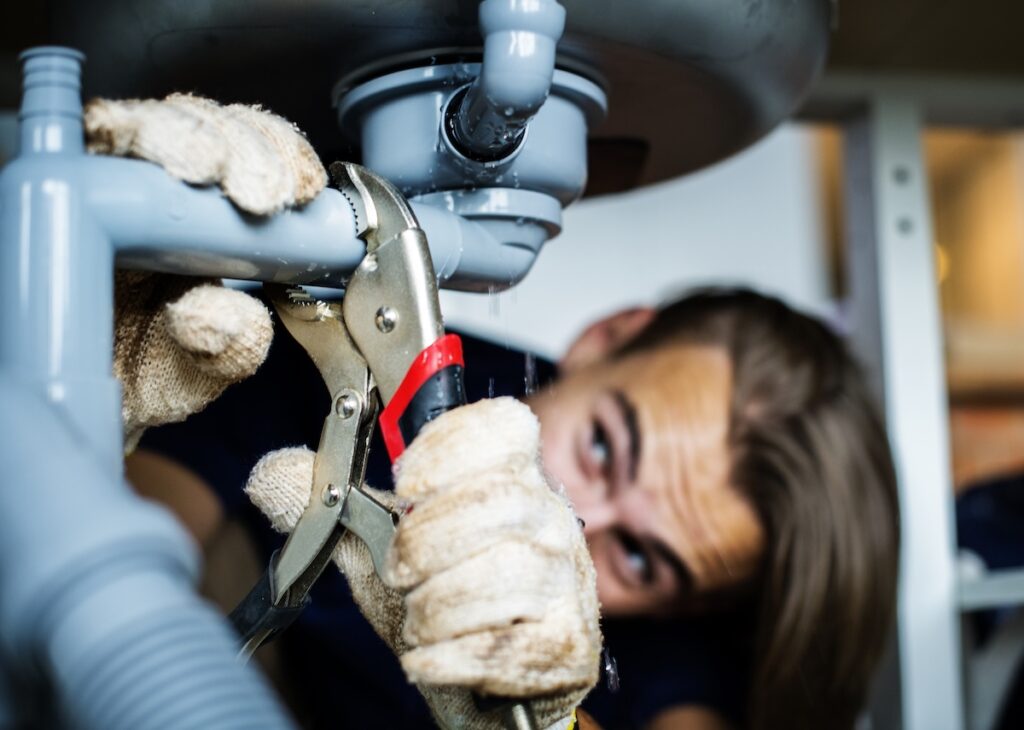
A leaking central heating boiler can lead to unpleasant water damage and a troublesome pressure loss in your heating system. It’s essential to quickly identify the cause of the leak to limit further damage to your home or the boiler itself. In this article, you’ll find the most common causes and the steps you can take immediately.
- Is a leaking central heating boiler dangerous?
- Common locations and causes of the leak
- What you can do right away: Step-by-step plan for a leak
- How can you prevent a leaking central heating boiler?
- When should you call a specialist?
- Frequently asked questions about central heating boiler leaks
- A leaking central heating boiler: Act immediately
Is a leaking central heating boiler dangerous?
Although a dripping pipe may seem harmless, a leak inside the boiler does carry risks:
- Short circuit: Water coming into contact with the internal electronics can cause a short circuit.
- Carbon monoxide: A leak in the flue gas outlet can release carbon monoxide. This colourless and odourless gas is dangerous and requires immediate action. Switch off the boiler and ensure ventilation right away.
If you’re unsure about safety, unplug the boiler immediately and call an engineer.
Common locations and causes of the leak
A leak can occur in various places. Identifying the location helps in finding the solution.
Boiler leaking from the bottom
When the boiler is leaking from the bottom, this often points to problems with the connections or a faulty automatic air vent.
Leak at the expansion vessel or pressure relief valve
The expansion vessel can sometimes leak if the internal membrane has failed. Additionally, the pressure relief valve may discharge water when the pressure in the system has become too high (overpressure).
Condensate water leaking from the drain or siphon
If you see water near the drain, there may be a blocked drain pipe or a broken siphon, causing the condensate water not to be properly discharged.
Boiler leaking after topping up
Have you just topped up the system? Then check whether the filling valve has been properly closed and whether the filling hose has been fully disconnected.
Leaking heat exchanger (the heart of the boiler)
The heat exchanger is the heart of your appliance. In older boilers, internal corrosion can cause this component to start leaking, which is often a reason to replace the central heating boiler.
What you can do right away: Step-by-step plan for a leak
As soon as you notice your central heating boiler is leaking water, you can follow this step-by-step plan:
- Switch off the power: Unplug the boiler to prevent electrical damage.
- Locate the leak: Use a dry cloth to wipe down the pipes and components to find the exact source of the leak.
- Limit the damage: Catch the leaking water in a bucket and dry the floor immediately.
- Check the pressure: Check the display or the pressure gauge for the current water pressure.
- Assess whether you need an engineer: Is the leak coming from inside the boiler, does the pressure keep dropping after topping up, or has water come into contact with the electronics? Then call a certified engineer immediately and do not use the boiler until the problem has been resolved.
How can you prevent a leaking central heating boiler?
Prevention is better than repair. The following measures reduce the risk of leaks:
- Periodic maintenance: Have your boiler regularly inspected by a professional to detect wear in time.
- Expansion vessel: Replace the expansion vessel in good time, as this component has a limited lifespan.
- Water pressure: Keep the water pressure between 1.5 and 2.0 bar.
When should you call a specialist?
Some leaks you can temporarily manage yourself, but there are situations where it’s best to switch off the boiler immediately and call a certified engineer. Do so in any case when:
- The leak is located inside the boiler casing and you cannot identify the source.
- Water has come into contact with the electronic components of the boiler.
- The water pressure keeps dropping, even after topping up the system.
- You suspect a leak in the heat exchanger, especially with an older boiler with multiple issues.
- The leak is accompanied by a fault notification on the display or an unusual smell.
In these cases, don’t wait. A small leak can quickly become worse and lead to water damage, a short circuit, or an unsafe situation. Contact one of our engineers immediately for a swift and safe inspection.
Frequently asked questions about central heating boiler leaks
This is only safe if it involves small, external drips at a connection outside the boiler. With internal leaks, the appliance must remain switched off.
Costs typically range between €80 and €500. The exact price depends on the model of your central heating boiler, the severity, and the location of the leak.
The consequential damage (such as damage to floors or walls) is often covered by your home insurance. The repair of the central heating boiler itself is usually not covered.
An expansion vessel has an average lifespan of 8 to 12 years. If the pressure relief valve regularly discharges water or the pressure drops quickly after topping up, this is a strong indication that the membrane in the expansion vessel is worn and needs replacing.
No. A leak does not disappear on its own and in most cases only gets worse. Even a small drip can indicate an underlying problem such as corrosion or a worn seal that needs to be addressed promptly.
A leaking central heating boiler: Act immediately
A leaking central heating boiler is never something to wait out. What starts as a small drip can quickly lead to water damage, pressure loss, or an unsafe situation due to contact with the electronics. Fortunately, you can limit the damage with a few simple steps: switch off the power, catch the water, and check the pressure.
Would you rather prevent problems before they arise? Then schedule annual maintenance. A certified engineer spots wear and minor defects before they develop into a costly repair.
Have you discovered a leak you cannot fix yourself? Contact one of our engineers immediately for a swift and safe inspection.